
National Honey Day
Press Release | 13 October 2026
Northumberland Bee Farming Family Calls on Consumers to Support British Honey This National Honey Day
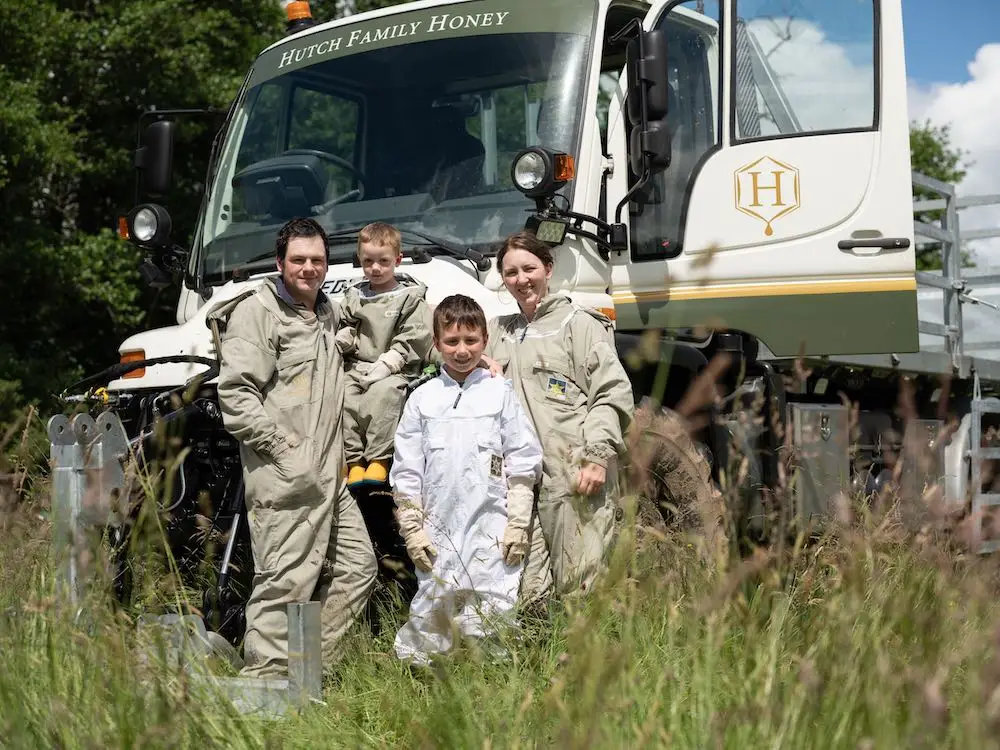
With just 14% of honey consumed in the UK produced domestically, Northumberland bee farmers Luke and Suzie Hutchinson are calling on consumers to support genuine British honey producers.
NORTHUMBERLAND, OCTOBER 2026 — As National Honey Day approaches on Wednesday 21 October, Northumberland Honey Company is encouraging consumers to consider where their honey comes from, who produces it and the importance of supporting Britain’s professional bee farming industry.
Founded by husband and wife Luke and Suzanne (Suzie) Hutchinson, the family-run business is based in Haltwhistle, Northumberland, and manages hundreds of honey bee colonies across Northern England, producing British honey from its own hives.
This year’s National Honey Day campaign, organised by the British Beekeepers Association (BBKA), carries the message “Buy Local Honey”, highlighting the importance of supporting British producers.
According to the BBKA, only around 14% of honey consumed in the UK is produced domestically, leaving the country heavily reliant on imported honey.
For Luke Hutchinson, a multi-generational beekeeper with more than a decade of professional experience and Vice-Chair of the Bee Farmers’ Association of the United Kingdom, the occasion is an opportunity to highlight both the value and challenges of domestic honey production.
Luke Hutchinson said:
“British honey is a fantastic agricultural product, yet we produce only a small proportion of what we consume in this country.
“Producing honey commercially in Britain takes an enormous amount of work, investment and expertise. We’re caring for colonies throughout the year, breeding queen bees, moving hives to follow seasonal forage and working with whatever conditions the British weather gives us.
“People often see the finished jar of honey without appreciating the work that goes into producing it. National Honey Day is a great opportunity to celebrate that, and to encourage consumers to support the people who are actually producing British honey.”
From the Northumberland Countryside to the Jar
At Northumberland Honey Company, the family oversees honey production from managing and breeding its bees through to harvesting, extracting and packing the finished honey.
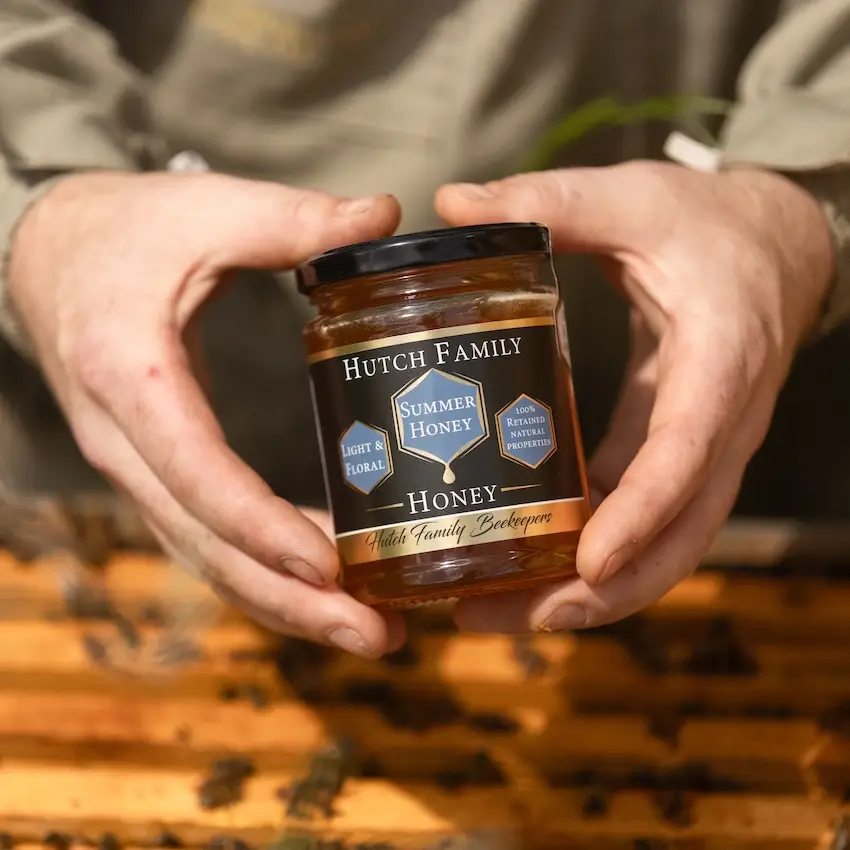
Their colonies are placed across farms, estates and moorland, producing seasonal honeys that reflect the changing landscape, including spring, summer and distinctive heather honey.
The family also operates an established queen bee breeding programme, raising thousands of queens to support its own colonies and supply other beekeepers.
The 2026 beekeeping season has brought its own challenges across the country. Exceptionally hot and dry conditions have resulted in considerable differences in honey yields, with some producers experiencing strong harvests while others have struggled.
Dr Suzanne Hutchinson PhD, co-founder, professional bee farmer said;
“One of the things that makes British honey so special is that no two seasons are quite the same.
“The flowers available to our bees, the weather and the landscape all influence the honey they produce. Spring honey can be completely different from summer honey, and our heather honey has its own distinctive character.
“That’s something we should celebrate. Genuine honey is a product of the natural environment, and there’s a real connection between the countryside, the bees and the food we produce.”
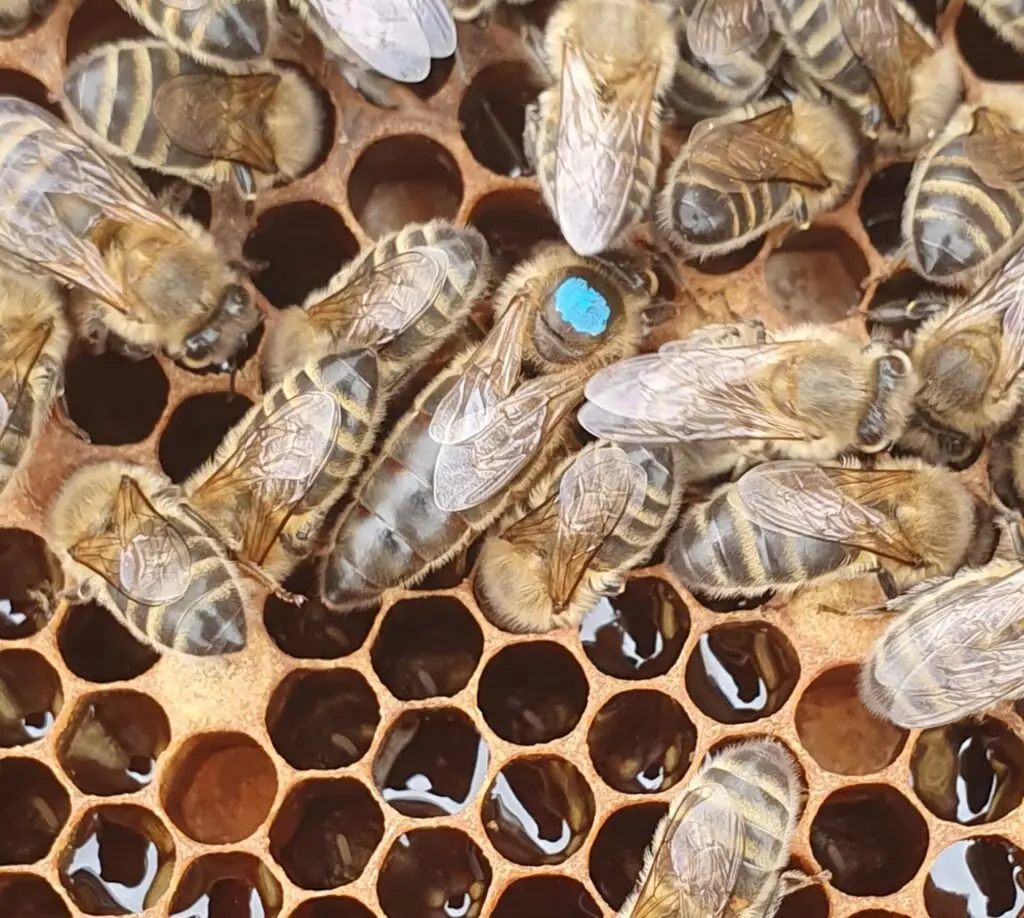
Why Provenance Matters
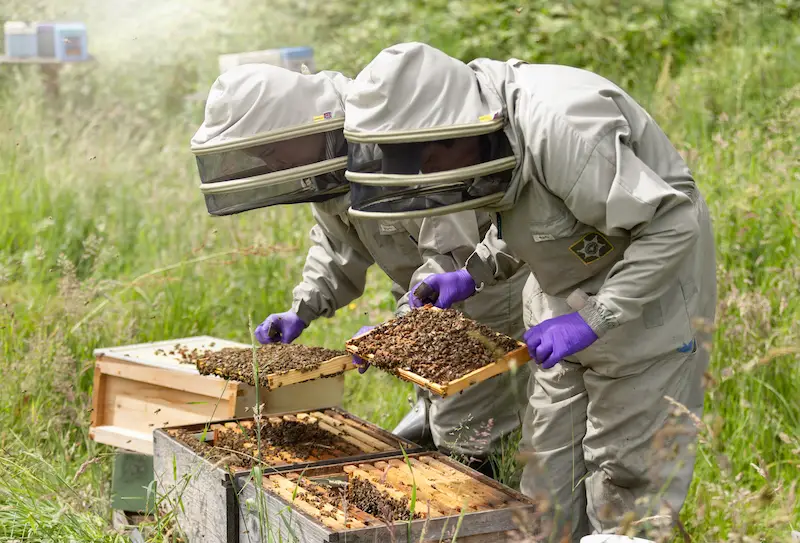
Alongside encouraging consumers to buy British honey, the Hutchinsons are urging people to take an interest in traceability and the origin of the products they purchase.
Concerns about honey adulteration and authenticity have received increasing attention within the industry, making producer identification and clear labelling particularly important.
Luke added:
“My advice to consumers is simple: find a producer you trust, look at where the honey comes from and don’t be afraid to ask questions.
“We’re fortunate that in Britain there are excellent hobbyist beekeepers and professional bee farmers producing wonderful honey. Whether someone buys a jar from a local beekeeper, a farm shop or a specialist retailer, choosing genuine British honey helps support domestic production.
“If National Honey Day encourages more people to develop a relationship with a British honey producer, that’s a positive outcome for the whole industry.”
A Family Business with British Bee Farming at Its Heart
Established in 2015, Northumberland Honey Company combines the Hutchinson family’s beekeeping heritage with modern professional bee farming and scientific expertise.
Alongside honey production and queen bee breeding, the family produces beeswax candles and develops natural skincare and cosmetics using honey and beeswax from its own hives.
Through its Hutch Family Honey brand, the business continues to champion the connection between its family, bees and the products it makes.
National Honey Day takes place on Wednesday 21 October 2026, encouraging consumers across the country to seek out and celebrate British honey.
Further information is available at www.northumberlandhoney.co.uk.
Notes to Editors
About Northumberland Honey Company
Northumberland Honey Company Limited is a family-owned professional bee farming business established in 2015 by husband and wife Luke and Suzanne Hutchinson, based in Haltwhistle, Northumberland.
The business manages hundreds of honey bee colonies across Northern England, producing British honey from its own hives, breeding queen bees and manufacturing honey and beeswax-based products.
Its Hutch Family Honey brand reflects the family’s longstanding beekeeping heritage and commitment to provenance, traceability and British-made products.
About the Founders
Luke Hutchinson is Vice-Chair of the Bee Farmers’ Association of the United Kingdom, a Liveryman of the Worshipful Company of Wax Chandlers and a Freeman of the City of London. A multi-generational beekeeper, he has more than a decade of professional bee farming experience, with expertise in commercial honey production, queen bee breeding and industry representation.
Dr Suzanne (Suzie) Hutchinson holds a PhD in Molecular Nutrition from Newcastle University and combines professional bee farming with scientific product development. Her work includes queen bee breeding and rearing, honey production and the in-house development and formulation of natural skincare and cosmetics using honey and beeswax from the family’s own bees.
About National Honey Day
National Honey Day is organised by the British Beekeepers Association (BBKA) and takes place annually on 21 October.
The 2026 campaign theme is “Buy Local Honey”, encouraging consumers to support British beekeepers and domestically produced honey.
Further information: www.bbka.org.uk/news/national-honey-day
Media Enquiries & Interviews
Northumberland Honey Company Limited
Haltwhistle, Northumberland
Media Contact: Lucy Howard
Email: sales@northumberlandhoney.co.uk
Telephone: 01434 322981
Website: www.northumberlandhoney.co.uk
Interviews with Luke and Suzie Hutchinson, expert commentary on British bee farming and honey production.
High-Resolution Press Images
We have a selection of high-resolution images available for use by journalists, publishers and media organisations covering Northumberland Honey Co, our products and our beekeeping activities.
Images are provided free of charge for press and editorial use. We simply ask that, wherever possible, you credit Northumberland Honey Co and include a link to www.northumberlandhoney.co.uk when using our images online.
[View & Download High-Resolution Press Images]
ENDS