
Honey Fraud
Honey Fraud: British Bee Farmer Calls for Greater Transparency and Traceability in the Honey Industry
Northumberland Honey Co highlights the impact of honey adulteration on consumers, genuine producers and the future of British bee farming.
Haltwhistle, Northumberland | October 2026
Concerns over honey adulteration and authenticity continue to raise important questions about consumer confidence, food labelling and the future of genuine honey production.
Northumberland Honey Co, a family-run bee farming business based in Haltwhistle, is calling for greater transparency throughout the honey supply chain and encouraging consumers to take a closer interest in where their honey comes from.
Honey is a natural agricultural product, produced by honey bees from nectar gathered from flowers. However, the complexity of international supply chains and the difficulties involved in detecting certain forms of adulteration have created significant challenges for consumers, regulators and genuine honey producers.
Luke Hutchinson, co-founder of Northumberland Honey Co, professional bee farmer and Vice-Chair of the Bee Farmers’ Association, believes the issue reaches far beyond the contents of individual jars.
“Honey fraud isn’t simply about whether consumers are getting what they’ve paid for. It has consequences for the entire beekeeping industry, from the confidence people place in genuine honey to the ability of professional bee farmers to compete fairly in the marketplace.
“Producing honey is a skilled, labour-intensive agricultural activity. Genuine producers invest considerable time and resources in caring for their bees, managing their colonies and harvesting their honey. They should not be competing against products that are misrepresented or adulterated.”
Honey Fraud: A Challenge for Producers and Consumers
The challenges surrounding honey authenticity were brought into sharp focus in 2024 when the International Federation of Beekeepers’ Associations, Apimondia, announced the removal of the honey competition from its 2025 international congress.
The decision highlighted the difficulties facing the industry in reliably verifying honey authenticity, even within established international competitions.
For Luke, the implications fall into three principal areas:
Consumer confidence: Reports of adulteration risk undermining public trust in honey as a natural food product.
Fair competition: Genuine bee farmers face commercial pressure when competing with products that may be adulterated or misleadingly represented.
Industry recognition: Difficulties verifying authenticity can affect the integrity of competitions and other mechanisms intended to recognise exceptional honey.
“The overwhelming majority of consumers simply want to buy genuine honey and trust that what is written on the label accurately reflects what’s in the jar,” Luke explains.
“The difficulty is that honey fraud can be sophisticated, and consumers cannot necessarily identify adulteration through taste, appearance or price alone. That makes proper traceability, robust testing and honest labelling all the more important.”
From Flower to Jar: Why Provenance Matters
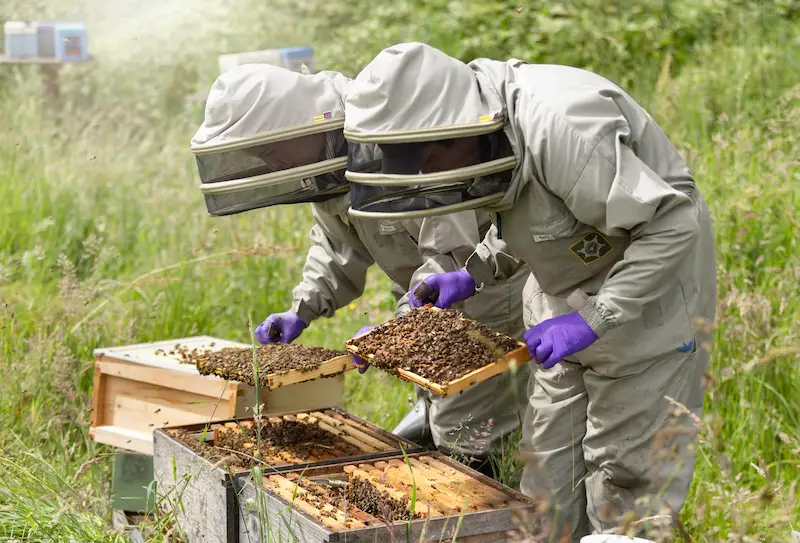
At Northumberland Honey Co, honey production begins with the company’s own honey bee colonies, located across Northumberland and the surrounding countryside.
The family manages its bees, harvests the honey and carries out extraction and packing, maintaining oversight of the production process from hive to finished jar.
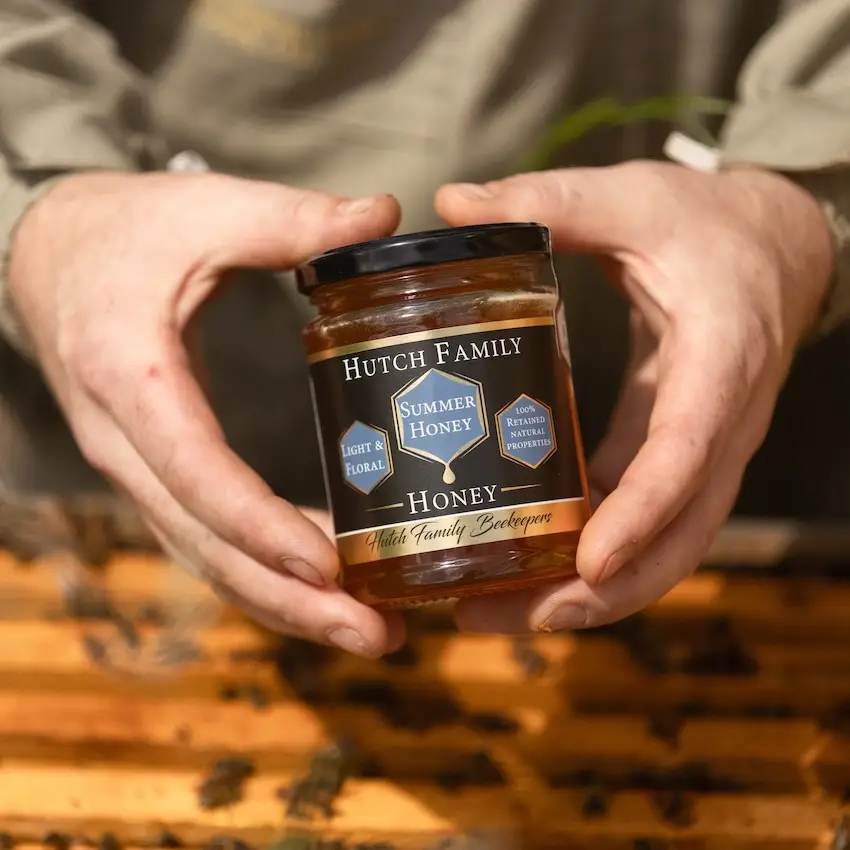
The company places particular importance on traceability, identifying the apiary origins of its honey and communicating its provenance to customers.
Luke believes this direct relationship between producer and consumer is one of the most valuable ways to rebuild confidence in genuine honey.
“When you buy honey directly from a bee farmer who manages their own colonies, you have the opportunity to ask where the bees are kept, where the honey was harvested and how it was produced.
“For us, provenance isn’t simply a marketing claim. It’s a fundamental part of what we do as bee farmers. We know our bees, we know our apiary sites and we know where our honey comes from.”
How Can Consumers Choose Genuine Honey?
Northumberland Honey Co encourages consumers to consider three straightforward principles when buying honey:
Know your producer. Look for a trusted British bee farmer or primary producer who can explain how and where their honey is produced.
Look for clear provenance. Check the country of origin and seek out producers who provide additional detail about the region or apiary where the honey was harvested.
Value traceability. Choose businesses with transparent supply chains and clear information about the origin, production and packing of their honey.
While these measures cannot replace robust authenticity testing or effective enforcement, they can help consumers make better-informed purchasing decisions.
Supporting the Future of British Bee Farming
For Northumberland Honey Co, the issue of honey fraud is also closely connected to the long-term sustainability of British bee farming.
Professional bee farmers play an important role in managing honey bee colonies, producing British honey and supporting agricultural pollination.
Maintaining a viable domestic honey production industry requires a market in which genuine honey is properly recognised and producers can compete fairly.
“We need effective testing, clear labelling and appropriate enforcement to protect both consumers and legitimate producers,” Luke concludes.
“But there is also something positive that consumers can do today. Get to know a British bee farmer, ask questions about where your honey comes from and support the people who are actually producing it.
“Every jar of genuine British honey represents the work of bees and the skilled people who care for them. That’s something worth protecting.”
Notes to Editors
About Northumberland Honey Co
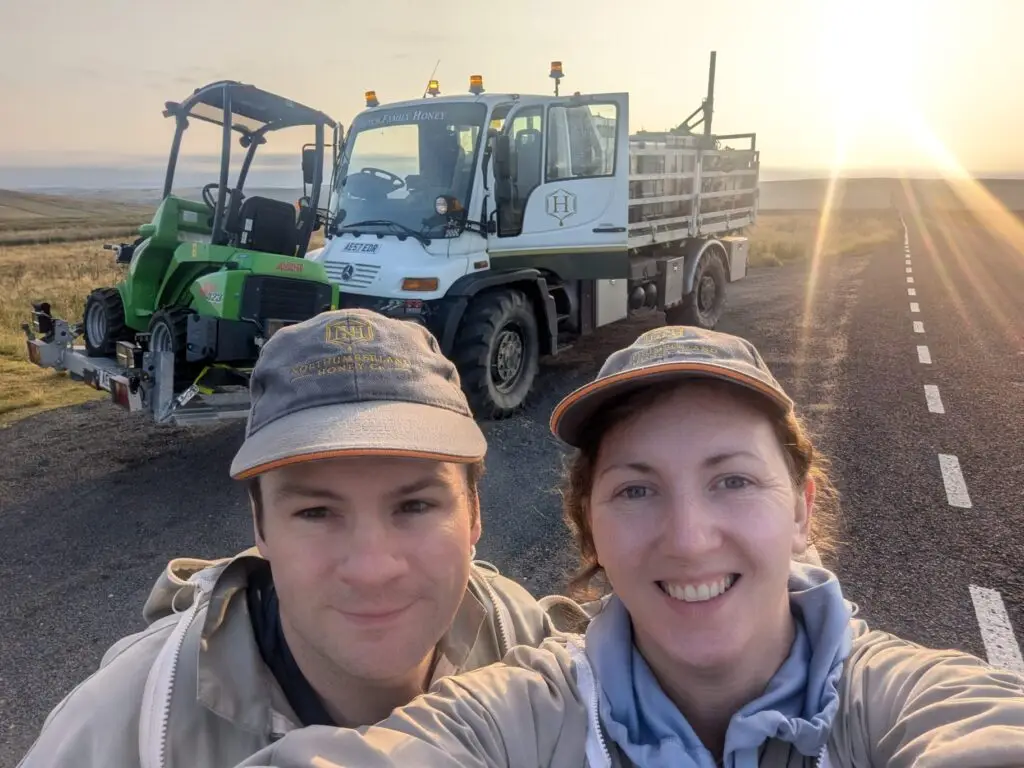
Northumberland Honey Co is a family-owned professional bee farming business based in Haltwhistle, Northumberland, founded and run by husband-and-wife team Luke and Dr Suzanne (Suzie) Hutchinson.
The company manages its own honey bee colonies across Northumberland and the surrounding countryside, producing British honey and a range of hive-derived products, including beeswax candles, natural skincare and award-winning mead.
Alongside honey production, the business is a specialist breeder of British-reared queen bees and supports the development of professional bee farming skills and expertise.
About Luke Hutchinson
Luke Hutchinson is a professional bee farmer, co-founder and director of Northumberland Honey Co and Vice-Chair of the Bee Farmers’ Association. He has over a decade of experience in commercial beekeeping, honey production and queen bee breeding.
Luke is also a Liveryman of the Worshipful Company of Wax Chandlers and holds the Freedom of the City of London.
About Dr Suzanne Hutchinson
Dr Suzanne Hutchinson holds a PhD in Molecular Nutrition and is a scientist, professional bee farmer and co-founder of Northumberland Honey Co. She contributes scientific expertise to the family’s bee farming and product development activities, including the formulation of the company’s natural skincare products.
Media Enquiries and Interviews
Luke and Suzie are available for media interviews and expert comment on honey authenticity, British honey production, professional bee farming and queen bee breeding.
Email: sales@northumberlandhoney.co.uk
Telephone: 01434 322981
Website: https://www.northumberlandhoney.co.uk
High-resolution press images are available for editorial and media use. Images may be reproduced with credit to Northumberland Honey Co and a link to the company website where published online.