
What is Raw Honey
Written by Luke Hutchinson
Scientifically reviewed by Suzanne Hutchinson PhD
What makes honey “raw”, how is it different from other honey, and what does UK law actually say?
Raw honey generally means honey that has been kept as close as possible to the way the bees produced it, without pasteurisation or excessive processing.
But there’s something many consumers don’t realise: “raw honey” isn’t specifically defined as a category within the Honey (England) Regulations 2015.
That doesn’t mean all honey is processed in the same way. In fact, an important UK legal case in 2024 considered precisely this question and found that the word raw could meaningfully communicate the lower level of processing undergone by a particular honey.
So what actually makes honey raw?
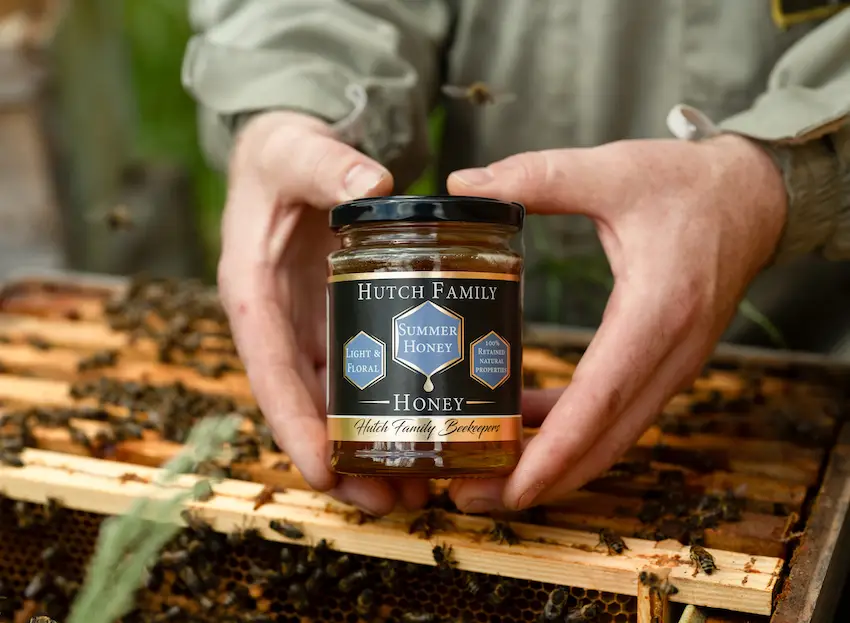
We’re the Hutch Family, professional bee farmers producing honey from our own bees in Northern England.
In this guide, we’ll explain what raw honey means, what UK regulations say, what happens when honey is heated or filtered, why honey crystallises and how we handle the honey produced by our own colonies.
What Does “Raw Honey” Mean?
There isn’t a single statutory UK definition that determines when a honey becomes “raw”.
In everyday use, raw honey generally describes honey that has undergone minimal processing after being removed from the hive, particularly honey that hasn’t been pasteurised or subjected to excessive heat processing.
Honey inside the hive is already a finished natural food produced by the bees. Worker bees collect nectar from flowers, bring it back to the colony and progressively transform it into honey before storing and ripening it within the comb.
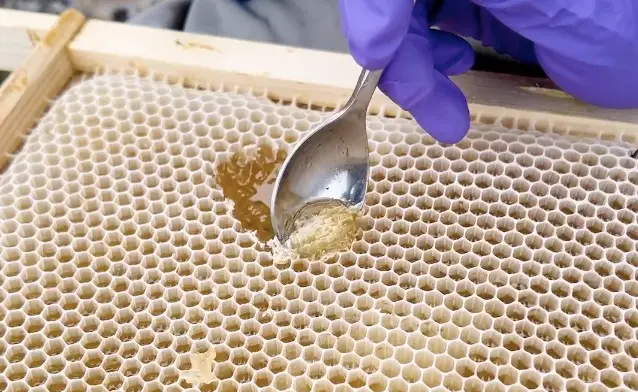
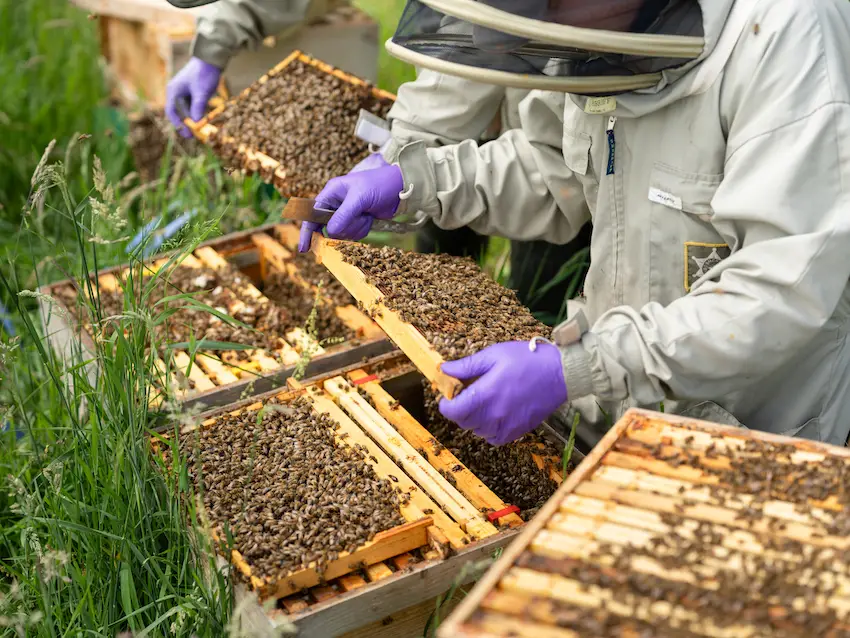
When the crop is ready, a beekeeper can remove the frames, uncap the wax covering the cells and extract the honey — usually by spinning the frames in a centrifugal extractor.
What happens after extraction is where significant differences can arise between honeys and producers.
Honey can be warmed, filtered, blended and processed in different ways before eventually reaching the jar.
That’s why we think a more useful question than simply “Does it say raw on the label?” is:
Who produced this honey, where did it come from and what happened to it between the hive and the jar?
Is Raw Honey Legally Defined in the UK?
Honey sold in England is governed by the Honey (England) Regulations 2015. READ THE HONEY (ENGLAND) REGULATIONS 2015
The Regulations define honey and recognise different descriptions according to its origin, production or presentation, including blossom or nectar honey, honeydew honey, comb honey, drained honey, extracted honey, pressed honey and filtered honey.
They don’t, however, define a separate category called “raw honey”.
The Regulations also establish compositional requirements for honey and place restrictions on alterations to the product. For example, honey sold as honey must not have food ingredients added to it, and pollen or other constituents particular to honey generally must not be removed except where unavoidable when removing foreign material.
Historically, the absence of a definition created uncertainty over whether producers could use the additional description “raw” to distinguish honey that had undergone relatively little processing.
In 2024, that question came before the First-tier Tribunal.
The 2024 Odysea Raw Honey Case
In 2024, the First-tier Tribunal considered the use of the term “raw honey” in Odysea Ltd v London Borough of Waltham Forest [2024] UKFTT 157 (GRC).
Odysea sold minimally processed, unpasteurised Greek honey in the UK using the description “raw honey”.
Waltham Forest Trading Standards challenged the use of the word “raw” and issued an Improvement Notice requiring the company to stop using it. The authority’s position was essentially that describing the product as raw could imply that it possessed special characteristics that other compliant honey did not.
Odysea appealed.
As part of its case, the company provided evidence about its production methods and commissioned scientific testing comparing its honey with other products.
The Tribunal allowed Odysea’s appeal and cancelled the Improvement Notice.
The Tribunal accepted that there were observable differences resulting from Odysea’s production methods and found that the word “raw” accurately communicated the comparatively limited processing undergone by its honey, including but not limited to heating.
What Did the Odysea Decision Change?
The decision didn’t create a statutory definition of raw honey. “Raw honey” still isn’t a defined category within the Honey Regulations.
What it demonstrated is that the absence of a statutory definition doesn’t necessarily prevent the term “raw” from being used where it truthfully communicates something meaningful about the processing a honey has undergone and isn’t misleading to consumers.
That’s an important distinction.
Rather than treating “raw” as a magic word that guarantees quality, consumers can look behind the description and ask what actually happened to the honey.
Raw Honey and UK Law
Honey Regulations
“Raw honey” isn’t a specifically defined honey category.
Odysea decision:
The Tribunal accepted that “raw” could meaningfully describe differences in process
What matters:
How the honey has actually been handled between hive and jar.
Raw Honey vs Processed Honey – What's the Difference?
All extracted honey requires some degree of processing between the hive and the jar. Honey has to be removed from the comb, extracted, strained and ultimately prepared for jarring — and depending on its natural state, it may also need to be gently warmed so that it can flow.
The distinction with raw honey isn’t that nothing has been done to it, but that processing is kept to a minimum. For us, that means carefully handling the honey our bees have produced, using controlled warming where necessary and avoiding unnecessary or excessive processing that could alter its natural character.
Is Raw Honey Heated?
Honey often needs to be gently warmed during production. Once honey has crystallised or become very viscous, warming allows it to flow again so that it can be handled and put into jars.
At Hutch Family Honey, we do this carefully in a dedicated temperature-controlled warming room. The aim is to gently warm the honey under controlled conditions so that it can flow naturally again, rather than subjecting it to excessive or prolonged heat processing.
When it comes to honey, both temperature and time matter. Research has shown that even short periods at temperatures considerably above those required for normal honey handling don’t necessarily result in significant deterioration in measured honey quality. By contrast, prolonged exposure to heat can have a much greater effect.
For us, the principle is simple: use only the controlled warming necessary to handle the honey, while preserving the natural character and quality of what our bees have produced.
Does Heating Honey Automatically Damage It?
Not necessarily. Both temperature and the length of time honey is exposed to that temperature are important.
One study examining raw honey found that heating for 15 minutes at temperatures between 50°C and 80°C did not significantly degrade its measured quality, although increasing heat exposure did slightly increase HMF formation and reduce diastase activity.
Careful, controlled warming for handling is therefore very different from prolonged or excessive heat treatment.
Why Does Raw Honey Crystallise?
Crystallisation is a completely natural characteristic of honey and doesn’t mean that it has spoiled or that anything has been added to it.
Different honeys crystallise at different rates depending on their natural composition and the flowers the bees have visited. Raw honey can crystallise, but crystallisation alone doesn’t prove that a honey is raw.
For a detailed explanation of the science, whether crystallised honey is safe to eat and what to do when honey sets, read our complete guide to why honey crystallises.
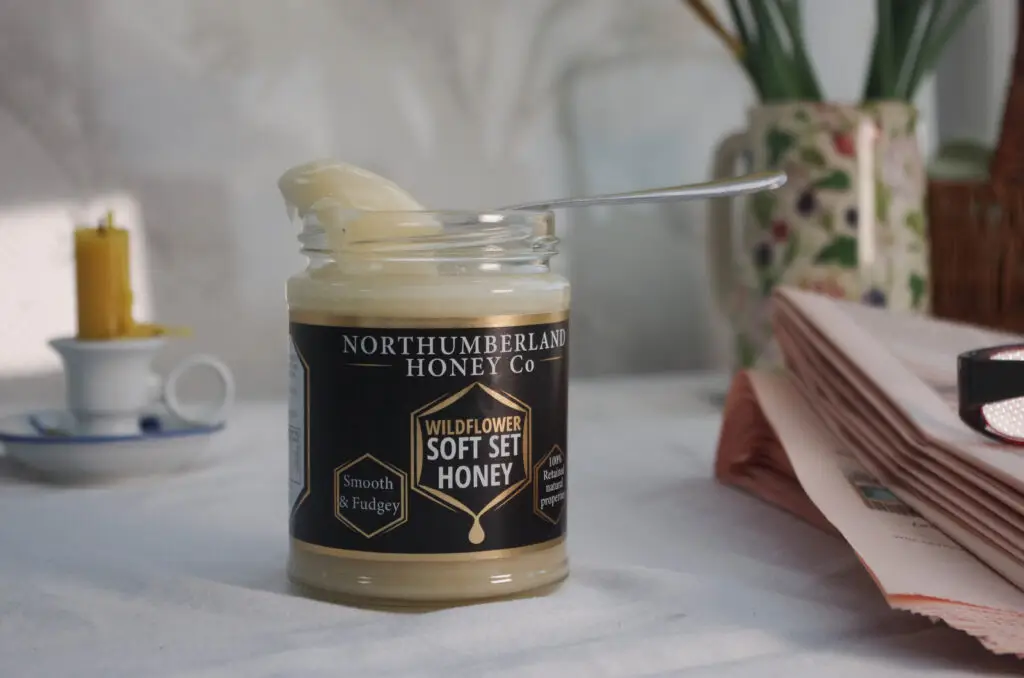
At Hutch Family Honey, we work with this natural process to produce our smooth soft-set honey, rather than seeing crystallisation as something that needs to be prevented.
Is Raw Honey Filtered?
Freshly extracted honey naturally contains small particles of beeswax from the comb, which need to be separated from the honey before it is put into jars. Traditionally, this is often achieved by passing honey through strainers or filters.
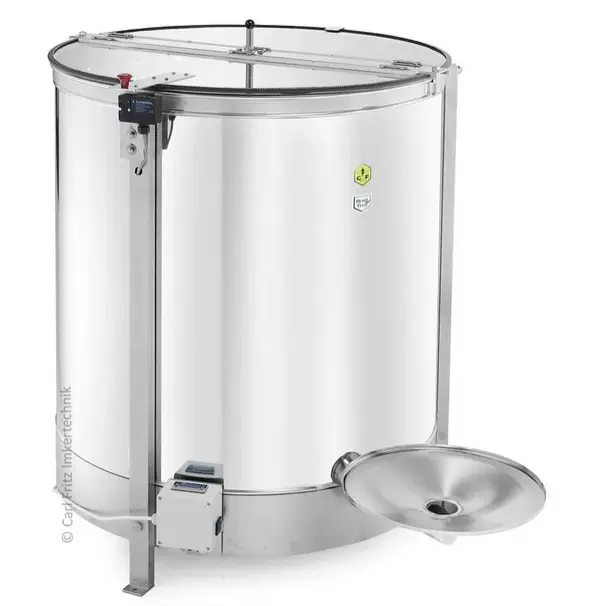
At Hutch Family Honey, we use a technologically advanced Carl Fritz honey and wax separator. Rather than forcing the honey through a series of strainers, the system uses centrifugal force to separate honey from wax and other particles according to their differing physical properties as the separator spins.
This allows us to efficiently separate the honey from the wax with minimal intervention and without relying on fine filtration. For us, it’s another way of keeping processing to a minimum while preparing the honey appropriately for the jar — preserving as much as possible of the natural character of the honey our bees produced.
Minimal Processing Through Better Technology
Our Carl Fritz honey and wax separator uses centrifugal separation rather than conventional straining to separate honey from beeswax after extraction.
Investing in specialist honey-processing technology allows us to handle larger quantities of honey efficiently without needing to rely on increasingly fine filtration — combining professional-scale production with our commitment to minimal processing.
So, What Makes Honey Raw?
To re-cap there is no single legal definition of raw honey in the UK, and “raw” doesn’t mean that nothing has happened to the honey between the hive and the jar. Extracted honey needs to be harvested, separated from the comb, prepared and packed.
What matters is the degree of processing. Raw honey is generally understood to mean honey that has been handled with minimal intervention — avoiding pasteurisation, excessive heat and unnecessary fine filtration.
At Hutch Family Honey, that’s the principle we follow. We produce honey from our own bees and use specialist equipment, controlled warming where necessary and careful handling to keep intervention to a minimum.
For us, raw honey is about preserving the natural character of the honey our bees produced, while preparing it properly for you to enjoy.
Raw Honey FAQs
Is Raw Honey Pasteurised?
Generally, no. Raw honey is understood to mean honey that hasn’t been pasteurised or subjected to excessive heat processing.
Is Raw Honey Filtered?
Raw honey may be strained or separated from beeswax after extraction. This is different from fine filtration, which can remove much smaller naturally occurring particles.
Does Raw Honey Crystallise?
Yes. Crystallisation is completely natural. How quickly honey crystallises depends largely on its natural sugar composition and floral source.
Is Raw Honey Better for You?
Honey is a complex natural food, but we prefer an evidence-led approach to health claims. Our focus is on preserving its natural character through minimal processing.
About the Author
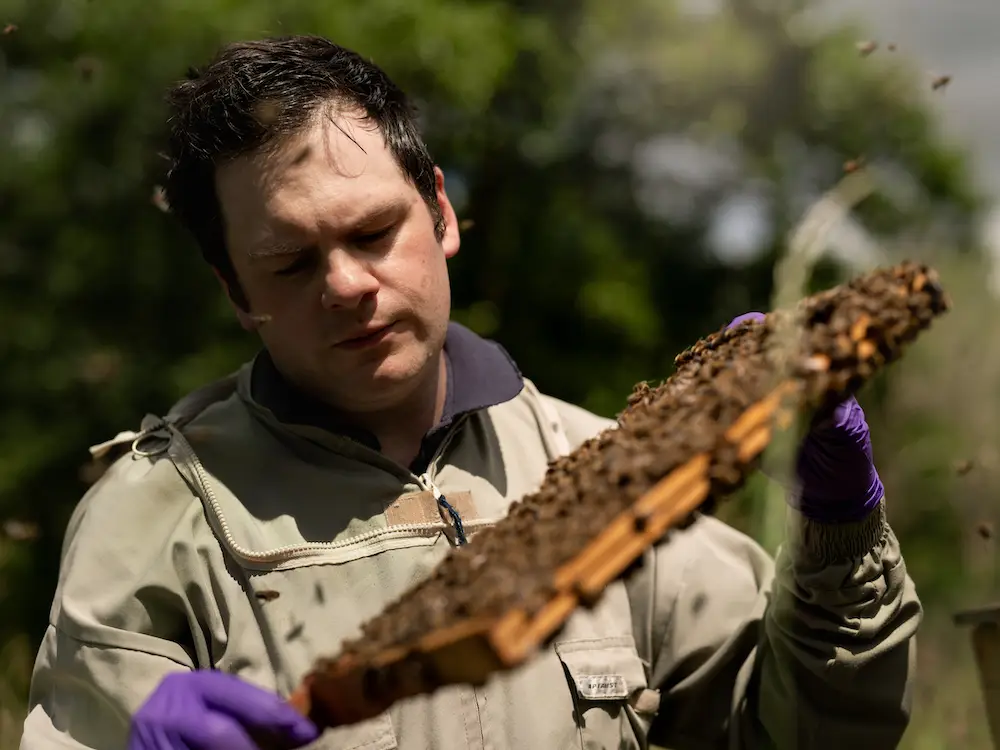
Luke Hutchinson
Professional Bee Farmer, Queen Breeder & Co-Founder
Luke Hutchinson is co-founder of Northumberland Honey Company and Hutch Family Honey. A professional bee farmer and queen breeder, Luke is Vice-Chair of the Bee Farmers’ Association of the United Kingdom and a Liveryman of the Worshipful Company of Wax Chandlers.
Luke writes from first-hand experience of professional bee farming, honey production and the journey of honey from hive to jar.
Scientific Review
Suzanne “Suzie” Hutchinson PhD
Scientist, Professional Bee Farmer & Co-Founder
Suzie Hutchinson holds a PhD in Molecular Nutrition from Newcastle University and combines her scientific background with extensive practical experience in professional bee farming and honey production.
Suzie has scientifically reviewed this guide, including its discussion of honey composition, crystallisation and the effects of processing and temperature.