
Back British Honey: Northumberland Bee Farmer Urges Consumers to Support British Producers
Northumberland Honey Co highlights the importance of buying genuine British honey, supporting home-grown food production and protecting the future of professional bee farming.
Haltwhistle, Northumberland | October 2026
British honey is one of the country’s distinctive natural food products, reflecting the landscapes, seasons and flowers from which it is produced. Yet with honey from around the world widely available on supermarket shelves, professional bee farmers are encouraging consumers to look more closely at where their honey comes from.
Northumberland Honey Co, a family-run bee farming business based in Haltwhistle, is calling on consumers to back British honey and recognise the skill, work and agricultural expertise involved in producing it.
Luke Hutchinson, co-founder of Northumberland Honey Co and Vice-Chair of the Bee Farmers’ Association, believes that supporting British honey producers is about much more than choosing a particular jar from the shelf.
“When you buy genuine British honey, you’re supporting British food production and the bee farmers who work throughout the seasons to produce it.
“There is a tremendous amount of skill, investment and hard work involved in managing honey bee colonies, and every jar represents the efforts of both the bees and the people who care for them.
“We want consumers to recognise British honey as a valued agricultural product, with a genuine connection to the landscapes and countryside in which it is produced.”
British Honey: A Taste of Our Countryside
One of the characteristics of genuine British honey is its natural variation.
Unlike a manufactured product designed to taste the same throughout the year, honey reflects the flowers available to honey bees, the weather conditions and the changing seasons.
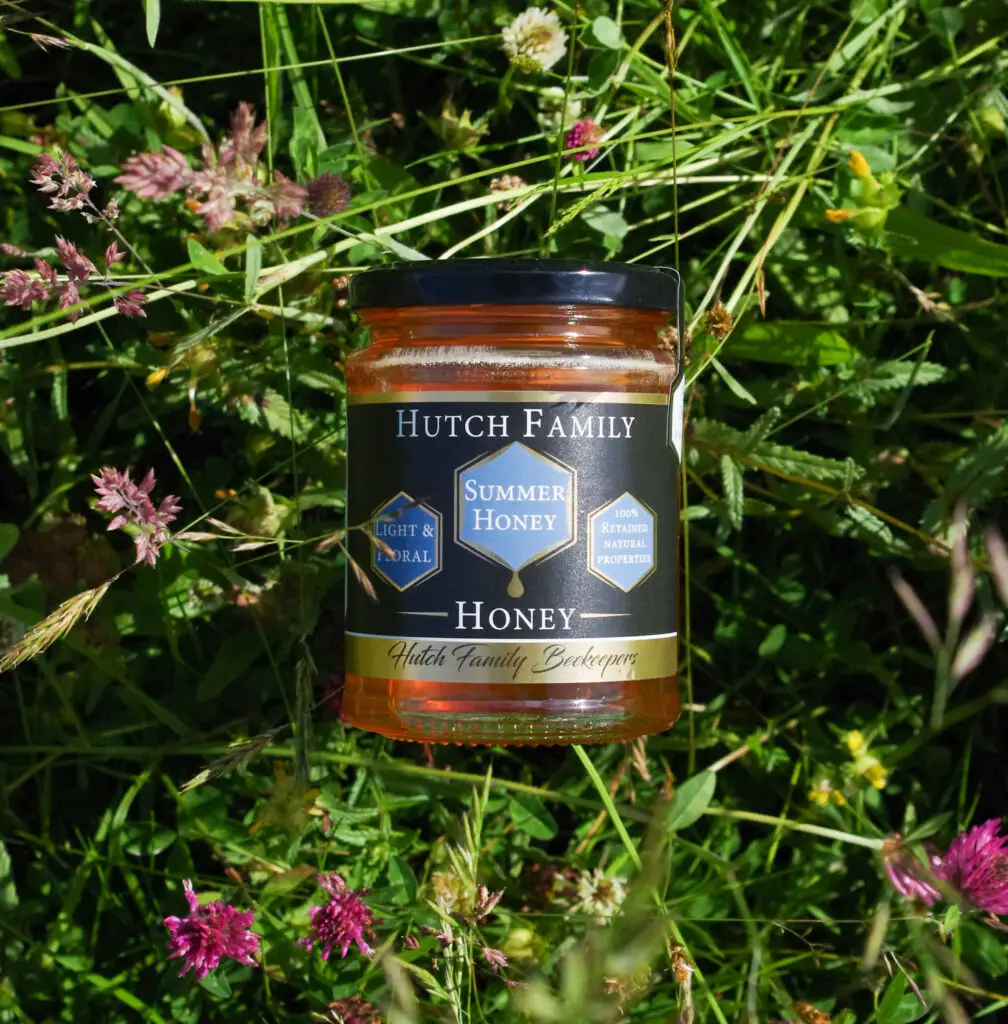
From delicate spring honey and rich summer blossom honey to the distinctive character of heather honey, British bee farmers produce an extraordinary range of flavours, colours and textures.
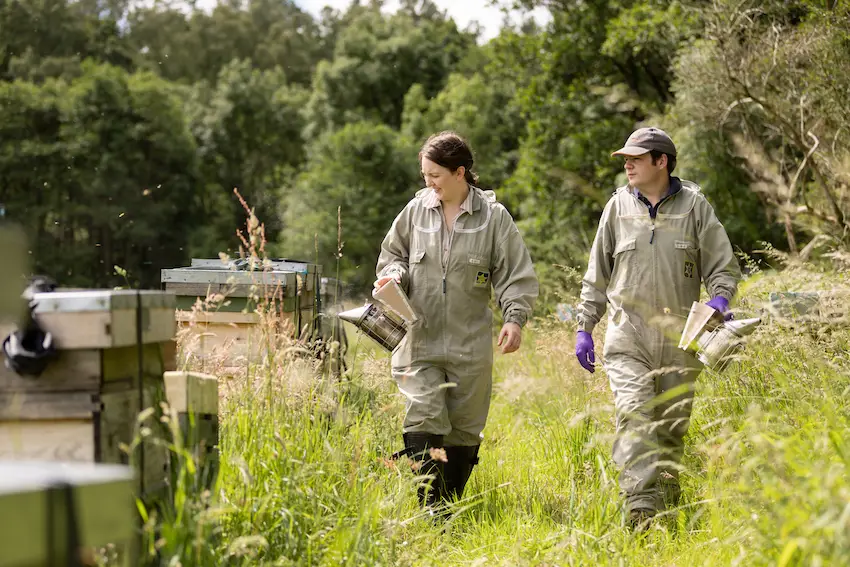
At Northumberland Honey Co, honey bees forage across farmland, woodland, wildflower-rich countryside and upland landscapes, producing honey that reflects the natural environments in which the colonies are kept.
“For us, one of the most rewarding aspects of producing honey is that every season is different,” Luke explains.
“You can have wonderful variations in colour, flavour and texture, depending on where the bees have been foraging. That’s part of the beauty of genuine honey — it reflects the flowers and landscapes from which it comes.”
Why Supporting British Bee Farmers Matters
Professional bee farming is a skilled agricultural occupation requiring year-round management of honey bee colonies.
From preparing colonies for spring development and managing their health to breeding queen bees, moving colonies between forage locations and harvesting honey, the work extends far beyond the summer honey harvest.
British bee farmers also contribute to agricultural pollination through the management of honey bee colonies across the countryside.
However, honey production is heavily influenced by weather, seasonal forage availability and the health of the colonies, making it a challenging and sometimes unpredictable agricultural business.
Luke believes that ensuring British bee farming remains commercially viable is important for the future of domestic honey production.
“People often see a finished jar of honey without necessarily appreciating the work that has gone into producing it.
“Bee farming is a year-round commitment. We invest in our bees, their health, their breeding and the equipment and people needed to manage them. That investment has to be supported by a market that recognises the value of genuine British honey.
“If we want a strong British bee farming industry in the future, supporting the people producing our honey today is a very good place to start.”
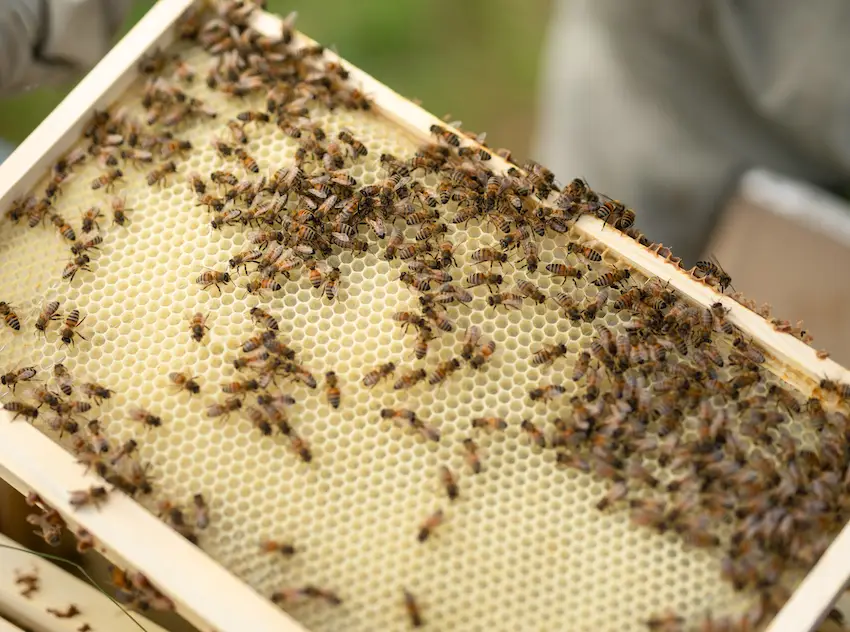
From Hive to Jar: Knowing Where Your Honey Comes From
Alongside encouraging consumers to choose British honey, Northumberland Honey Co is highlighting the importance of transparency and traceability.
Not all honey sold in Britain is produced in Britain. Imported honey has an established place in the market, but consumers should be able to make informed choices about its origin.
Northumberland Honey Co manages its own honey bee colonies, harvests its honey and undertakes extraction and packing, maintaining oversight of the production process from hive to finished jar.
The company believes this direct connection between beekeeper and consumer offers an important assurance of provenance.
“We know where our colonies are kept, where our honey is harvested and how it is produced,” Luke says.
“When you buy honey from a genuine British bee farmer, you can ask questions, understand the process and establish a relationship with the people responsible for producing your food.
“It’s about trust, provenance and giving consumers the confidence to know exactly what they are buying.”
How Consumers Can Back British Honey
Northumberland Honey Co encourages consumers to make a few simple choices that can support British honey production:
Choose genuine British honey. Look for honey clearly identified as produced in the United Kingdom, rather than assuming honey packed or sold here is British.
Buy from trusted bee farmers. Seek out professional producers and local beekeepers who can explain where and how their honey is produced.
Discover seasonal varieties. Explore the different flavours of British spring, summer and heather honey, and appreciate the natural variation between harvests.
Ask about provenance. A reputable producer should be able to explain the origins of the honey they sell.
Support British honey throughout the year. Making British honey a regular household purchase helps create sustainable demand for domestic production.
Protecting the Future of British Honey
For Luke and Dr Suzanne Hutchinson, who founded and run Northumberland Honey Co together, promoting British honey is part of a wider commitment to the future of professional bee farming.
Alongside producing honey, the family business specialises in breeding British-reared queen bees and developing beekeeping expertise, helping support the longer-term resilience of the industry.
“British honey is something we should be enormously proud of,” Luke concludes.
“We have skilled bee farmers producing wonderful honey from some of the most beautiful countryside in the world. But the future of that production depends on people recognising its value and choosing to support it.
“Our message is straightforward: know where your honey comes from, get to know your bee farmer and back British honey.”
Notes to Editors
About Northumberland Honey Co
Northumberland Honey Co is a family-owned professional bee farming business based in Haltwhistle, Northumberland, founded and run by husband-and-wife team Luke and Dr Suzanne (Suzie) Hutchinson.
The company manages its own honey bee colonies across Northumberland and the surrounding countryside, producing British honey and a range of hive-derived products, including beeswax candles, natural skincare and award-winning mead.
Alongside honey production, the business is a specialist breeder of British-reared queen bees and supports the development of professional bee farming skills and expertise.
About Luke Hutchinson
Luke Hutchinson is a professional bee farmer, co-founder and director of Northumberland Honey Co and Vice-Chair of the Bee Farmers’ Association. He has over a decade of experience in commercial beekeeping, honey production and queen bee breeding.
Luke is also a Liveryman of the Worshipful Company of Wax Chandlers and holds the Freedom of the City of London.
About Dr Suzanne Hutchinson
Dr Suzanne Hutchinson holds a PhD in Molecular Nutrition and is a scientist, professional bee farmer and co-founder of Northumberland Honey Co. She contributes scientific expertise to the family’s bee farming and product development activities, including the formulation of the company’s natural skincare products.
Media Enquiries and Interviews
Luke and Suzie are available for media interviews and expert comment on honey authenticity, British honey production, professional bee farming and queen bee breeding.
Email: sales@northumberlandhoney.co.uk
Telephone: 01434 322981
Website: https://www.northumberlandhoney.co.uk
High-resolution press images are available for editorial and media use. Images may be reproduced with credit to Northumberland Honey Co and a link to the company website where published online.